

Featured Blogs & Vlogs

One thing I know for certain is that early childhood education should not only focus on academic achievement but also on emotional and social development. These “soft skills” are just as important, if not more so, than traditional academic skills like reading and math. The ability to manage emotions, interact with others, and adapt to new situations are the building blocks for success in school and beyond.
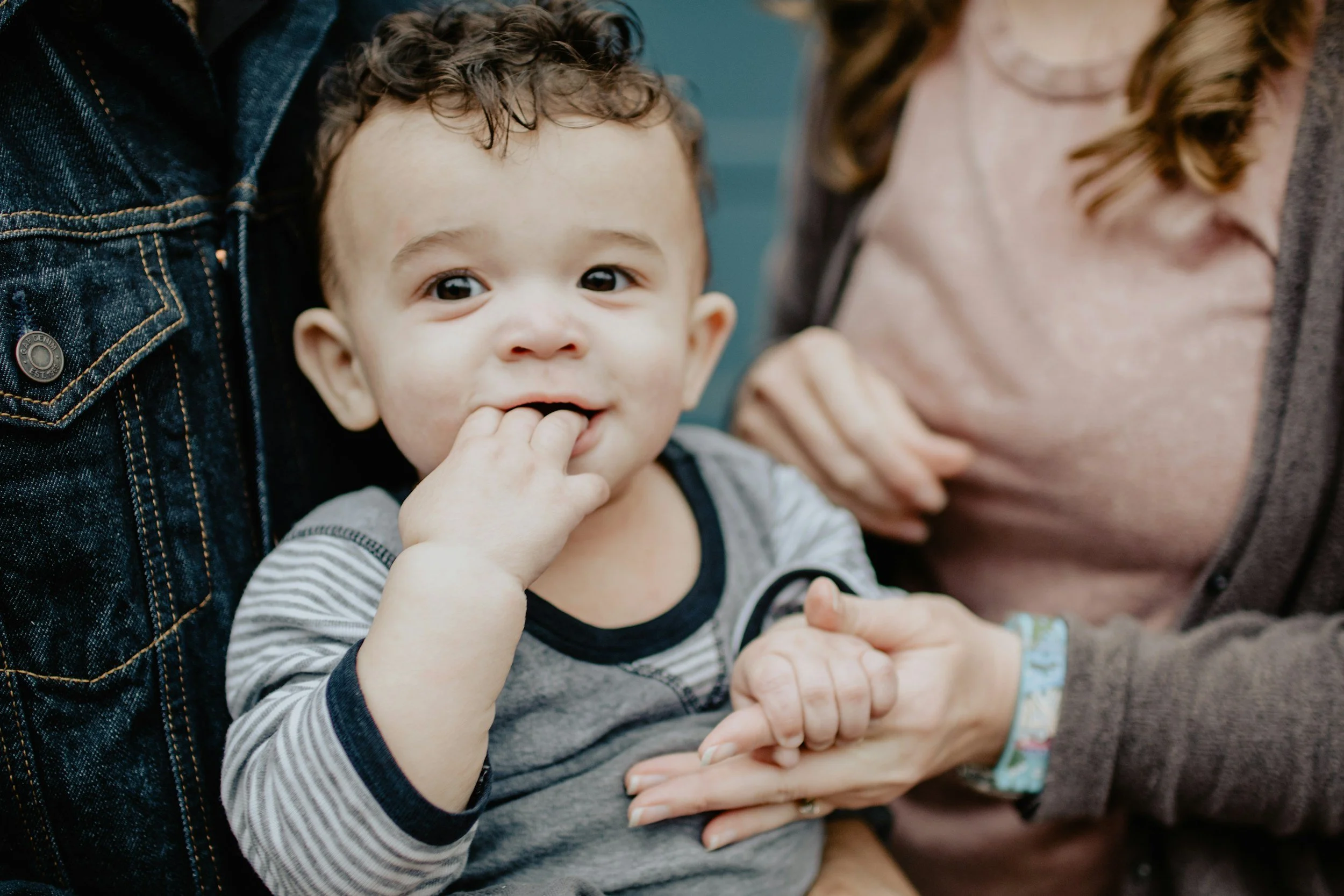
Parenting young children can feel overwhelming. Many caregivers often find themselves wondering, "Is this normal behavior?" when faced with their little ones' actions such as hitting, biting, or pushing. Here, you'll find insights on those all-too-common issues of biting and hitting in children under seven, reassuring you that it’s completely normal.
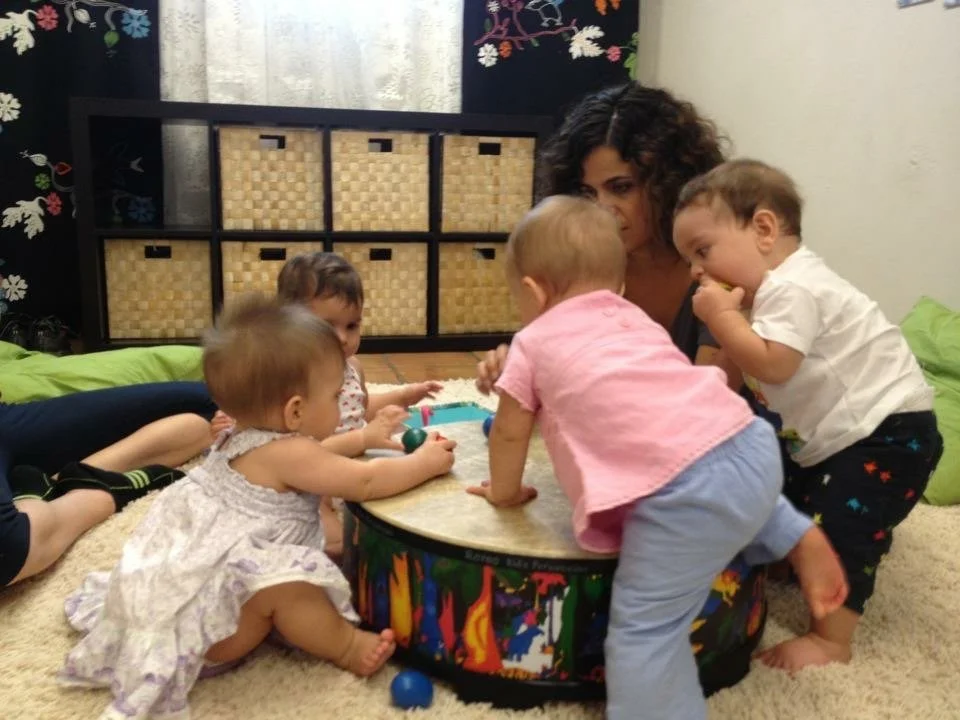
The preschool years are pivotal for your child’s emotional and social development. Whether you're dealing with tantrums, teaching patience, or encouraging emotional intelligence, these tips will empower both you and your preschooler.

Jealousy is a common emotion among children, particularly when siblings interact In play with their parent. Children between the ages of four and eight begin to navigate complex social and emotional Interactions. A key aspect of their development during this phase is learning to understand social norms and manage challenging emotions like jealousy.

Navigating the journey of parenting, particularly through the preschool years, is both challenging and profoundly transformative. As an expert in child development, I often discuss the complexities of emotional intelligence with many concerned parents. One of the most surprising revelations for them is learning t

In today's fast-paced world, parenting can sometimes feel like a juggling act, especially when it comes to understanding different parenting styles and programs like gentle parenting, conscious parenting, and others. It's essential for parents to align these methods with their values and personalities to create an effective and harmonious approach to raising children.

Are you struggling to keep up with your high-energy toddler's adventurous spirit? You're not alone. Many parents find themselves in a whirlwind of emotions when trying to manage their little ones in public spaces. Here are some practical tips to navigate these challenging situations with ease.

Parenting comes with its own set of challenges, and one of the most common concerns for parents with young children is sleep. When your child is having a hard time sleeping, it can be a stressful experience for both you and your little one. In this blog, we will discuss strategies to help your child sleep better while emphasizing the importance of staying calm and loving throughout the process.

I don't know about all of you but August seemed to pass by in a flash. It feels like I blinked and all of a sudden we were in September. August also felt exhausting for me primarily because I spent a lot of the month thinking about the losses I have experienced thus far and looking forward to yet another season without much change or clarity around my family and me.
Many schools, companies and media networks reached out last month for my expertise. I was both humbled and overwhelmed by the task. But I felt a great sense of gratitude that I could be that source of information for so many. I have put together the questions that seemed to repeat in all of these spaces and I want to share them with you:
Recorded Talks

Listen to Lina Acosta Sandaal address questions about the following themes:
•Sleep/Potty/Feeding
•Discipline
•Social Concerns
•School

Parents of young children have multiple worries as the world begins to open up. Should you send them to preschool? Is their social development being hurt by the quarantine?

Parents of young children in this time of quarantine have won a price they did not want to win. They win the price of the hardest age group to manage during a quarantine. It is difficult to parent this age group
Listen Helen Stein, Esq of Divorce Without War and Lina Acosta Sandaal our founder address the many pain points divorced families face during this difficult time of quarantine. Topics addressed: visitation, differing styles in how to stay safe, and communication.
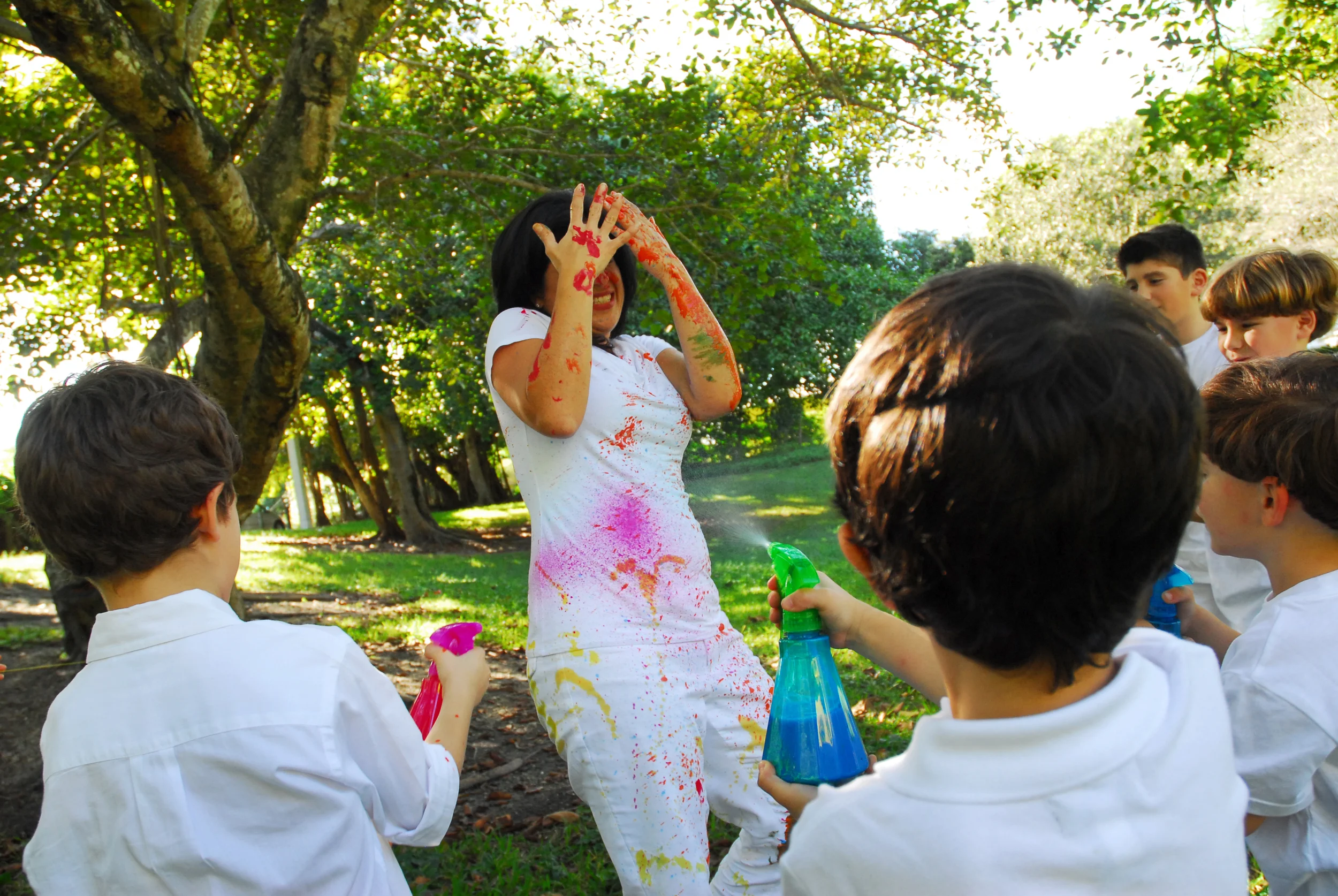
Most parents feel pressured to have well-behaved children. The pressure comes from well-meaning family, teachers, and judgmental stares from strangers.

The sleeping patterns of babies are often unpredictable and complex. They raise difficult questions and pose a great challenge for new parents.

Emotional intelligence is a child’s ability to perceive, understand, and effectively manage their own feelings; to read subtle cues; and relate empathically to the feelings of others.

At Stop Parenting Alone we believe that with the right information, parents always make the right choices for their children. Understanding who your child is, who you are as a parent, and developing a discipline style is a long term process.
Q&A from Parents
I have noticed that my 4yo daughter has a VERY hard time with the feeling of rejection. The times she has broken down the biggest is because of rejection, times where her fellow friends have said - “I don’t want to be your friend anymore” “I don’t want to play” “i don’t want to sit next to you”….it has happened at playdates and that's when I notice the breakdown and very hard recovery. Help! I’ve bought books and stuff, but nothing seems to work. What do you suggest?
My 5yo son participates 3 times a week in after school activities such as sports and martial arts . The rest of the week and weekend he does not have anything because I want him to have free time and be with us. When I first enrolled him in soccer he hated it and never wanted to go but I took him anyway and encouraged him to play and now he likes it very much. With martial arts, at the beginning he loved it but now he does not because he said he gets hurt.
My 5yo has learned some bad words from older kids but the other day my husband got frustrated with a project he was doing and he said some bad words and my son and I who were downstairs were able to hear them all.
My son was laughing so I told him that his daddy was frustrated and was using words that are not proper to use because he forgot how to breath and calm himself ( I did not know what else to say). How do I handle this?
I wanted to ask you how I should react when I am not in the room and one of my boys (4.5 and 7) comes to me (sometimes crying, not always) saying that his brother hurt him or did something to one of his toys? It feels tricky because I didn’t see exactly what happened, but if I don’t do or say the right thing then it is bound to happen again.
My 2yo is having massive tantrums at bedtime. Nothing in the routine has changed. We have always switched up every other day, one mommy to each for bedtime.
Help! Any tips?
My kids are always comparing what we do for them. I try to be as fair as I can but given their ages (4 and 7) they will never get the exact same things. I have tried to explain that to them, but they probably can’t see that because they keep complaining/ comparing. Any thoughts on how I should handle that?
Our 3.5yo daughter pretends she's a cat or dog.
She gets on the floor and acts like a cat meowing or dog barking for a good amount of time. She will literally bark at me instead of speaking. She does it at home, activities, and school. I know pretend play is important but how do I know if it’s too much?
I am concerned about my son's experience in his martial arts class. He is 5 years old and just recently joined the class but one of the teachers often yells at him which has caused my son to lose motivation. I do not want to sound like an overprotective mom but I do not feel comfortable with that teacher even if they tell me that all sports require teachers like that.
My son is resisting so much. I think we are doing a good job of understanding that this is not him calculating this but it’s an override in his brain, and are working hard to offer an option for him so it feels less like a demand and more autonomous but we are still met with a kiddo that simply WILL NOT. He just can’t seem to redirect away from his idea even if I give options of now or in 5 minutes or similar. What to do? Let him play with dirty teeth in his PJ’s all day?
My 4yo son tends to create detailed fictional accounts. On the one hand I feel amazed with his creativity, but I also worry that he seems to get too immersed in these stories that I wonder if he distinguishes fact from fiction. What do you make of what he is doing and how should I react to it?
Your child is crying at school drop-off, and every part of you wants to make it stop. But what if crying isn't the problem? School transitions give children an important opportunity to practice emotional tolerance, trust other adults, and discover that hard feelings can come and go.